Kho Liang Ie & Artifort
Between rationality and play
Kho Liang Ie can be seen as one of the most prominent industrial designers in the Netherlands and a leading figure of Artifort, yet remains relatively unknown to this day.
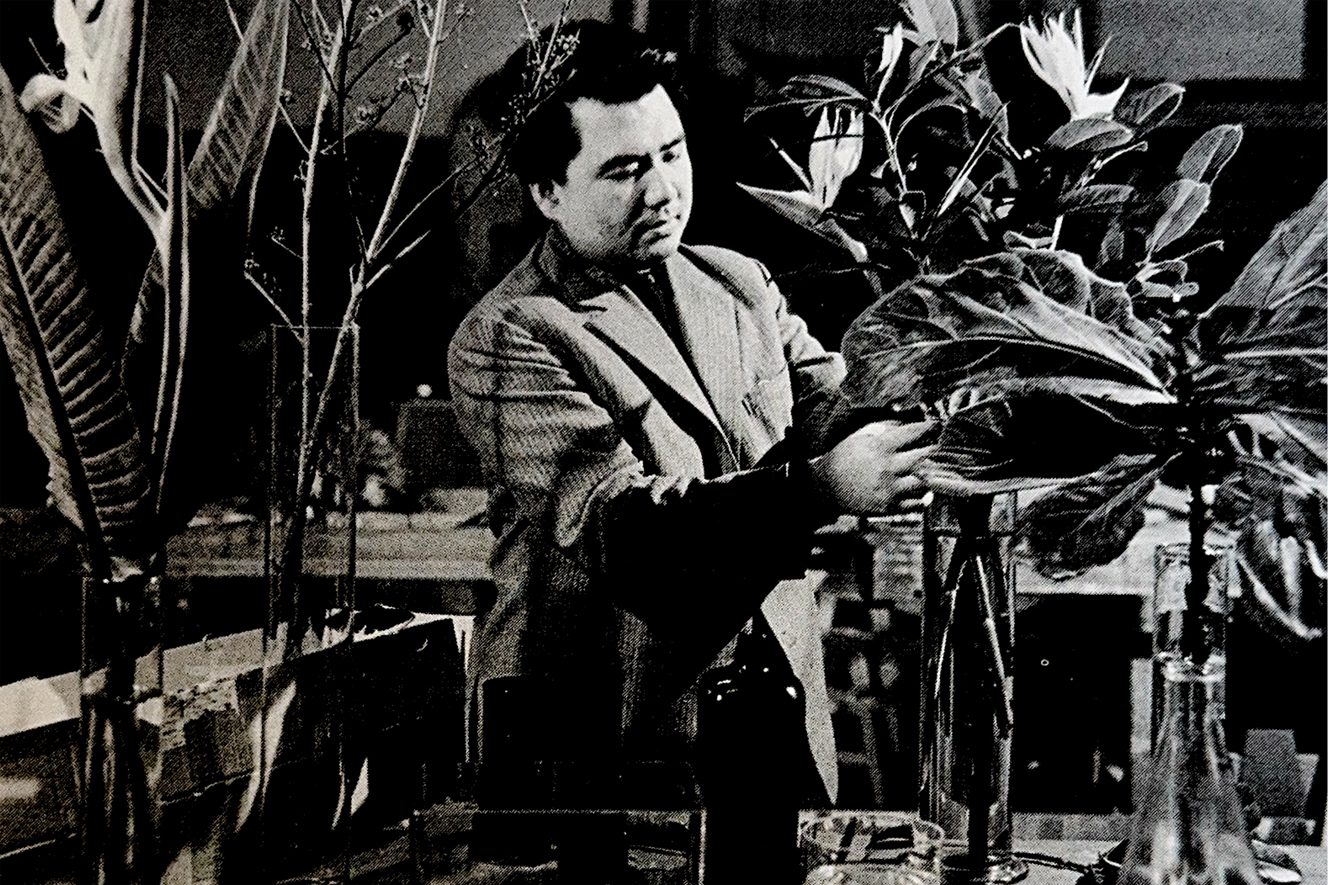


"His work sought to combine rational and irrational elements, prioritising both functional as aesthetic ideas."
Kho Liang Ie arrived in the Netherlands in 1949, a time characterised by repair and reconstruction after the war. Studying design in Amsterdam, he comes in touch with the ideas of the Stichting Goed Wonen (Good Living Foundation). Emphasising the ideals of functionalism, the foundation promoted the concept of ‘responsible furniture’: simple, clear in form and easy to produce. Efficiency became key.Inspired by his friend, the Italian designer Ettore Sottsass, Kho Liang Ie chose a freer interpretation of the new ideals.Although his work shows analytical and rational elements, he was equally inspired by playfulness and individuality, elements seen as unusual in the time of Goed Wonen. In his search for ‘style’, his work can be understood as a pursuit of an ‘all-encompassing idea’, later developing into an acceptance of pluralism in tastes and perspectives.
His work sought to combine rational and irrational elements, prioritising both functional as aesthetic ideas. We can see this in his simple, subtle forms, enriched by carefully worked out details.Ie can be seen as one of the firsts in the Netherlands to develop his own style, interpreting the ideals of the modern movement in a personal way, a style that can be described as lyrical functionalism.Throughout his life he was seen as a system thinker, working with modules and anticipating the requirements of the industrial production process.His work also extended beyond furniture. In the 1960s he worked on interior concepts for Amsterdam Airport Schiphol, where furniture, colour and graphic elements were carefully coordinated to create a coherent environment.
'F416'
A new way of design


Industry, collaboration and Artifort
Kho Liang Ie loved to travel, often drawing inspiration from various cultures.His Chinese-Indonesian heritage remained equally present in his work, from his sensitivity to materials to the balance he brought between rational and emotional aspects.In 1957, he begins working for the Dutch industry scene, collaborating with companies such as Artifort, CAR and Fristho.At Artifort, he acted not only as a designer, but also as an ‘aesthetic advisor’, shaping the company’s overall design policy and bringing the name to international success.Focusing on developing collections which would remain appealing for a longer period of time, Ie brings in designers such as Pierre Paulin and Geoffrey Harcourt. Their work differed significantly from his own, helping him, as he stated, ‘to answer the differences of human feelings’.

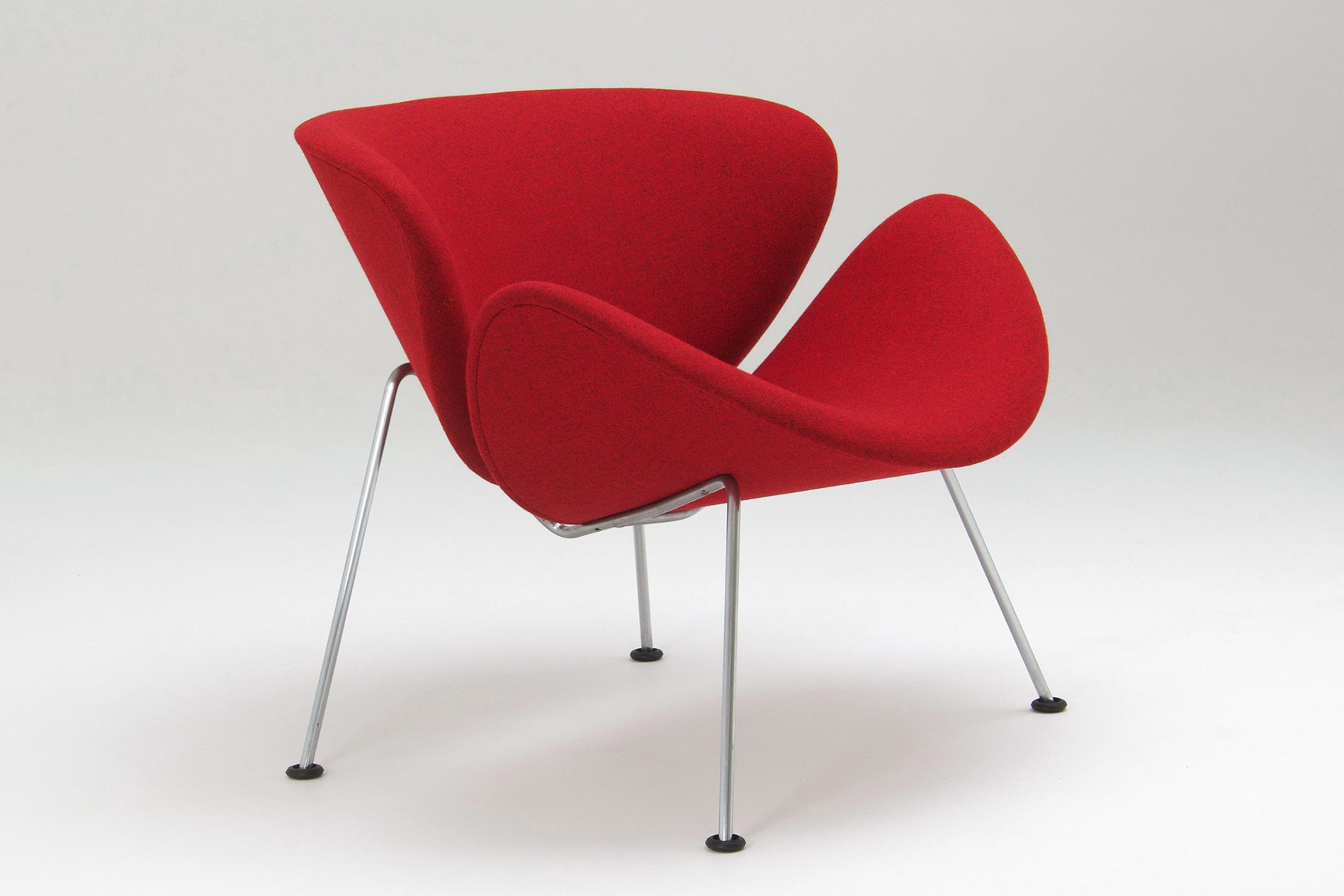

"to answer the differences of human feelings"
Founded in the 1890s, the Dutch furniture company Artifort has become a world-famous brand in the design world. Known for their timeless, yet bold design choices, Artifort stands for combining craftsmanship and quality, creating pieces that last a lifetime.Initially producing only classic wooden furniture, the company switched to its own designs in the 1950s. In the 1960s, the arrival of Kho Liang Ie brought Artifort to a new era. He changed the brand’s image completely, not only with a new logo, but also with new design ideas. The newly acquired designers, Pierre Paulin and Geoffrey Harcourt brought international attention. Paulin introduced new techniques, shapes and colours, while Harcourt became known for his office furniture designs.To this day, Kho Liang Ie’s influence lingers on in the Artifort identity. Working for Artifort until his early death in 1975, Kho Liang Ie’s designs for the company reflect his evolution, from honest, functional design to a freer, richer expression. Throughout this development, however, his careful and thoughtful use of materials remained a constant in his work.Throughout his life, Kho Liang Ie played an important role in shaping Dutch design, balancing rationality and individuality.